What Is Trailer Sway and How Do You Prevent It?
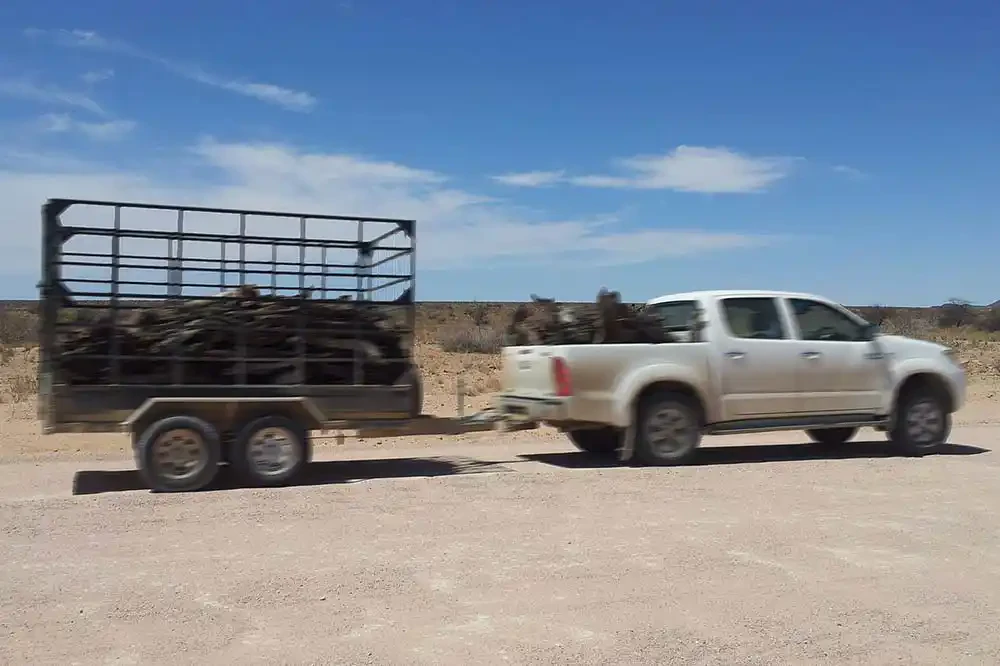
Trailer sway is a disconcerting experience, resulting in sudden lateral movement that is not only frightening for the driver of the towing vehicle, but also presents a danger to other vehicles as well. It can be difficult to maintain control and track straight when a trailer or caravan starts to sway, and regaining stability of the vehicle and trailer can be challenging, especially if travelling at higher speeds.
In this guide, we look at the causes of trailer sway, and provide drivers on Australian roads with advice and guidance on what is causing the the trailer's behaviour, what do to when it happens and the rear of the trailer starts to sway dangerously, and how to prevent sway issues recurring in the future.
What causes a trailer to sway?
A swaying trailer can be extremely dangerous, as the pendulum effect can mean you lose control of your trailer and vehicle completely. In the worst case scenario, the trailer can tip over with potentially calamitous results.
Side winds and wind gusts
Strong wind gusts when driving in hilly or mountainous regions, a passing truck, being overtaken by other vehicles, or driving over a bridge can all cause sudden, unexpected sway in your trailer and vehicle.
Rough, unsurfaced or uneven roads can also cause trailers to sway, especially if you have poor suspension, while long downhill descents carrying heavy loads which causes speed to pick up suddenly can also be challenging.
Speed and driving style
Excess speed is a (very preventable) cause of trailer sway, as is a driving style that employs sudden and unexpected braking. Staying within speed limits (please note that some Australian states have lower limits when you are towing) can also help to reduce trailer sway, and will also make it easier to apply the vehicle's brake gradually when approaching traffic lights or other stopping points.
Vehicle and trailer brakes
Having sufficient braking power and quality towing gear on your vehicle, as well as the right sort of trailer brakes for the size of trailer and load being carried, will also ensure more stable towing, as will avoiding (whenever possible) sudden movements on the steering wheel or sharp turns.
Too much weight or poor weight distribution
Poor weight distribution and poorly loaded trailers are a frequent cause of trailer sway, as are towing vehicles that are not capable of pulling the weight. Ensuring that you load your trailer properly and within the appropriate limits will make your towing experience a safer one, regardless of whether you're towing a flat top trailer, box trailer or tipper trailer.

How do you reduce trailer sway?
There are many factors that create trailer sway, but there are also clear steps that you can take when loading your trailer and when you're on the road that can help to give you greater sway control.
Improve weight distribution
Ensuring that you have loaded your trailer properly will go a long way to preventing it from swaying when you are on the road.
Incorrect weight distribution causes instability, as shifting or unevenly loaded cargo can change the trailer's centre of gravity. Ideally, 10-15% of total trailer weight should be on the towball, and 60% of the load should sit forward of the axle, or rear axle of a tandem trailer. Placing heavy items at the bottom of the load, and ensuring they are centered over the trailer axles, also reduces sway risk.
A weight distribution hitch can also help to prevent uneven weight distribution. It is uses spring bars to spread a heavy trailer's tongue weight across all axles of both the tow vehicle and trailer, and by lifting the rear of the tow vehicle it pushes weight back onto the front wheels.
Sway control systems can improve stability control on heavier trailers, while electric brake controllers can help to reduce sway by better managing trailer braking.
Know your trailer
Knowing your trailer's ATM (Aggregate Trailer Mass) as well as the towing mass of your vehicle (the maximum weight it is capable of towing), plus the rated capacity (maximum weight capability) of your tow bar can all help to minimise the risk of a swaying trailer by ensuring you're not carrying more than your trailer and towing vehicle can handle.
Underinflated tyres can reduce the stability of the trailer, so checking tyre pressures before setting out is essential for safe towing. It's also helpful to inspect load distribution and tie-downs during any stops you make when towing.
Safe driving habits
Sway can happen when the trailer travels faster than the tow vehicle, and reducing speed in heavy wind gusts or bad weather helps to prevent trailer sway. Taking extra care when passing or being passed by large trucks, caravans or other vehicles will also help maintain control and stability.
It's also important to steer gently and avoid harsh braking or rapid acceleration to stop trailer sway happening.
What to do if you experience trailer sway
If your trailer sways, there are several steps you should take to prevent the situation deteriorating and potentially becoming dangerous:
- Don't put your foot down and speed up, slam on the vehicle brakes, or attempt to counter steer.
- Do not panic brake as it may cause jackknifing.
- Don't make any sudden movements on the steering wheel. Instead, maintain a firm grip on the steering wheel during sway.
- Drive at slower speeds in situations where trailer sway is a potential risk, e.g., a passing truck, wind gusts, etc.
- Inspect your trailer setup and load weight distribution after regaining control of your vehicle if you have experienced sway.