Get the Right Trailer Suspension for a Smoother Ride
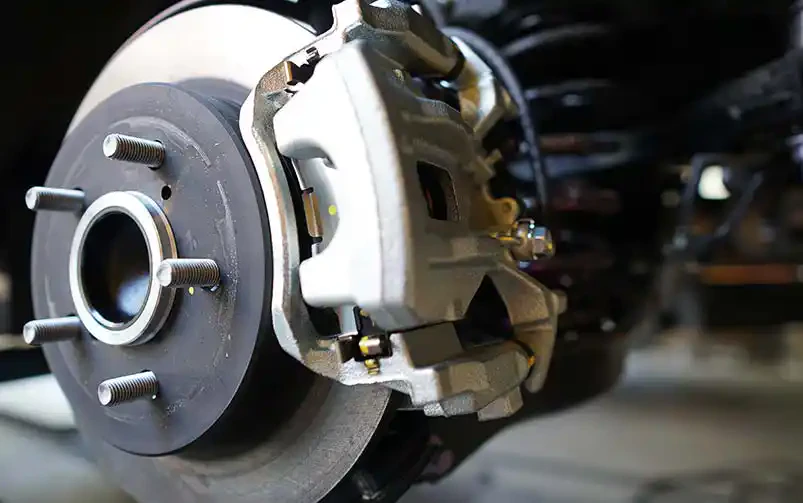
Choosing the best suspension system for your trailer
At Basic Trailers, we can incorporate a variety of different suspension types in our trailers. Ultimately, the type of trailer suspension that you opt for will depend on the size and ATM of the trailer you tow, the driving conditions you experience, and the weight of the loads you are carrying.
Suspension has a significant impact on the overall performance of your trailer, and helps to prevent the movement of cargo due to road impact, particularly when travelling at speed or when you're or on rough terrain.
Excessive road shock can affect the structural durability of a trailer over time, which can be a risk when travelling on uneven terrain or other challenging Australian conditions, and so having the right sort of suspension design has a positive impact on trailer stability, handling and tyre life.
Stable suspension also maintains steady tyre contact during cornering and braking and helps to reduce the risk of trailer sway.
Suspension kits designed to suit your trailer and towing needs
All of our trailers are fitted with 7 leaf eye slipper springs as standard. This is a suitable set up for any type of trailer with an ATM of up to 1,990 kg, including our single axle box trailers and cage trailers, as well as our mower trailers, tipper trailers, flat top trailers and stock crate trailers.
However, if you need to tow heavier loads, tow in difficult conditions on regional roads, or you are just looking for a way of reducing road shock, then you might want to consider upgrading your trailer suspension system.
Slipper spring trailer suspension
One of the most simple and common types of trailer suspension system are 7 leaf eye slipper springs.
Slipper springs feature an eye at one end, and open leaves at the other. These form a tail which are inserted into a hanger that is welded to the trailer chassis. They provide an effective and durable suspension system, and are suitable for both single axle and tandem axle trailers with an ATM up to 1,990 kg.
Leaf spring suspensions are reliable for absorbing shocks, and well-maintained trailer springs can last over 10 years (although poorly maintained springs may need replacing after a few years).
Eye-to-eye trailer suspension
Our stock of single axle trailers can be upgraded to feature eye to eye suspension (also known as shackle suspension).
The springs have leaf configurations at each end, with a bush placed into the coiled eye. The front of the spring is held in place by a hanger, while the rear coil is able to swing on shackle bolts.
Eye-to-eye trailer suspension kits deliver a range of benefits. They are effective as a road shock absorber and transfer the weight of the load dynamically, producing a smoother ride than slipper springs. The design prevents lateral movement in the spring giving you more control, especially at speed.
Eye-to-eye trailer suspension is also highly durable and offers long operating life, but if individual shackle bolts, shackle plates or nylon bushes need to be replaced, this can be done individually and so makes maintenance easier.

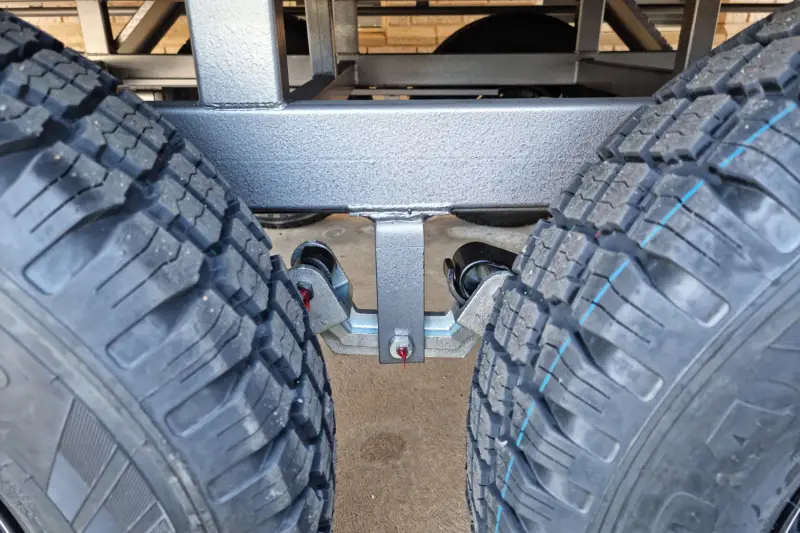
Rocker roller trailer suspension
You can upgrade any of our tandem axle trailers to feature rocker roller suspension. This includes our tipper trailers, car trailers, stock crate trailers and flat top trailers, and is suitable for trailer upgrades up to 3,500 kg ATM.
Rocker roller trailer suspension is a full load sharing system that makes it ideal for towing heavier loads. The set up is a variation on a standard rocker assembly, as two of the bolted connections are replaced with roller bearings, which are less rigid and thus able to absorb impact more effectively. This construction also leads to longer operating life and less maintenance is required.
As it is more forgiving than other suspension set ups, rocker roller trailer suspension gives you a very stable towing experience in a range of terrains and conditions.
To reduce shocks, sway and bounce on the road, the right brakes are essential
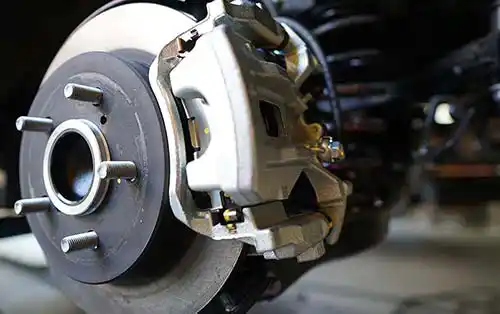
If you want safety and comfort on the road when towing either regular or heavy duty loads, it is important to have the right sort of trailer brakes so that they operate effectively in combination with the suspension system.
Our trailers are fitted with two common types of trailer brakes so you can ensure your have the right set up in place:
Mechanical brakes (also known as override brakes) use cables to connect the brakes to the hitch. As the towing vehicle slows down, the trailer momentum activates an override mechanism and the brakes are engaged. Mechanical brakes are generally suitable for trailers up to 2000 kg GTM.
Electric brakes are operated by a controller in the towing vehicle that enables the brakes to be manually applied by the driver. The delay and force can be adjusted depending on the trailer and vehicle type, and offer a safe and effective brake system.
Find out more about trailer springs and suspension
If you want to find out more about how trailer springs and suspension kits can help reduce road shock, keeping you and your cargo secure, talk to the team at Basic Trailers.
In addition, we can help you add a range of other add-ons and accessories to ensure that your trailer is configured to meet your needs.
Call Basic Trailers on 1300 770 770 or email info@basictrailers.com.au to discuss the regular price of our trailers, the accessories that can be added, and the range of trailer suspension options we can offer.